Fancy a Sipi?

Considering our close proximity to the source of the White Nile, it would be a shame to miss an opportunity to spend some time in the water. Shea and I signed up for a day of paddling in a plastic bucket with Kayak the Nile. After a morning of training in the flatwater, we headed off to the rapids where we capsized at almost every turn, but looked good doing it. Luckily our guide David, who competed in the last World Kayak Championships, was there to save us from drowning due to incompetence. This guy was really brilliant. His enthusiasm was contagious as he forward flipped and pirouetted while waiting for us in the flatwater.
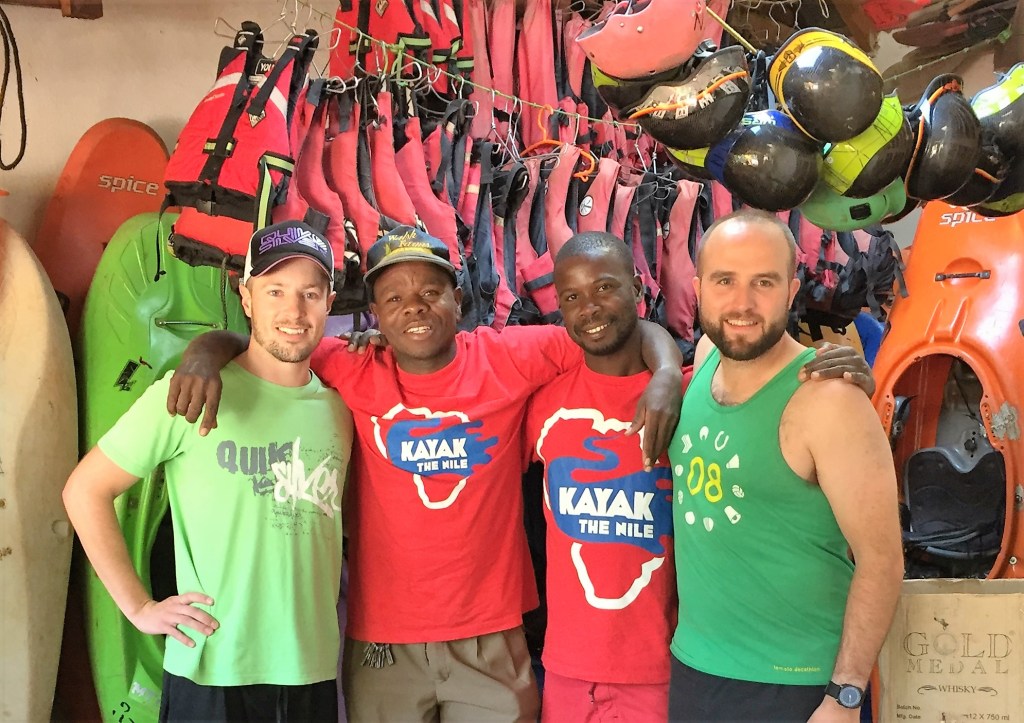
Shea and I with the king of kayaks, David (mid-left).

The guys at Kayak the Nile really run a slick operation and commendably try to provide as much employment as possible through partnerships with service providers in the community. Our lunch was prepared in the village and the transit to the white-water section of the river was conducted in an “off-road” Mutatu*.

We enjoyed our day out with David so much that I signed up for a second run with my brother, Shaun, when he arrived for our two-week brotherly bonding stint while Shea was attending weddings in the US. We are both naturally competitive and he is bigger than me so I like a rigged game.
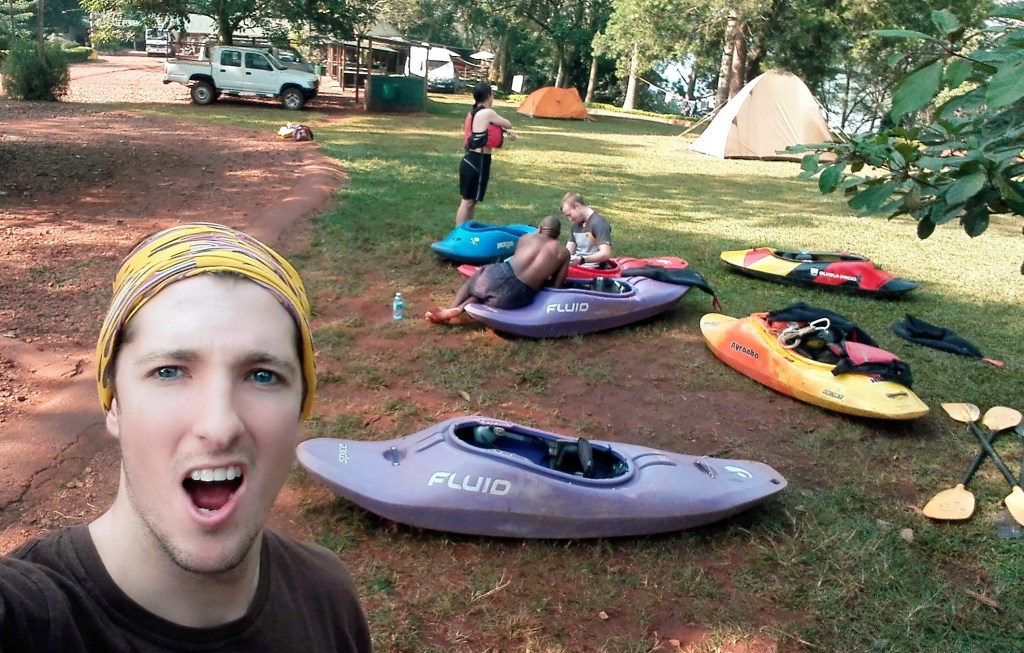
Prepping for another awesome day in a bucket!

After splashing about in the Nile, it was time to say goodbye to Jenny and Chris, our incredibly hospitable hosts in Jinja. We headed through to Sippy Falls for a day of hiking in mountain pastures. What a spot!

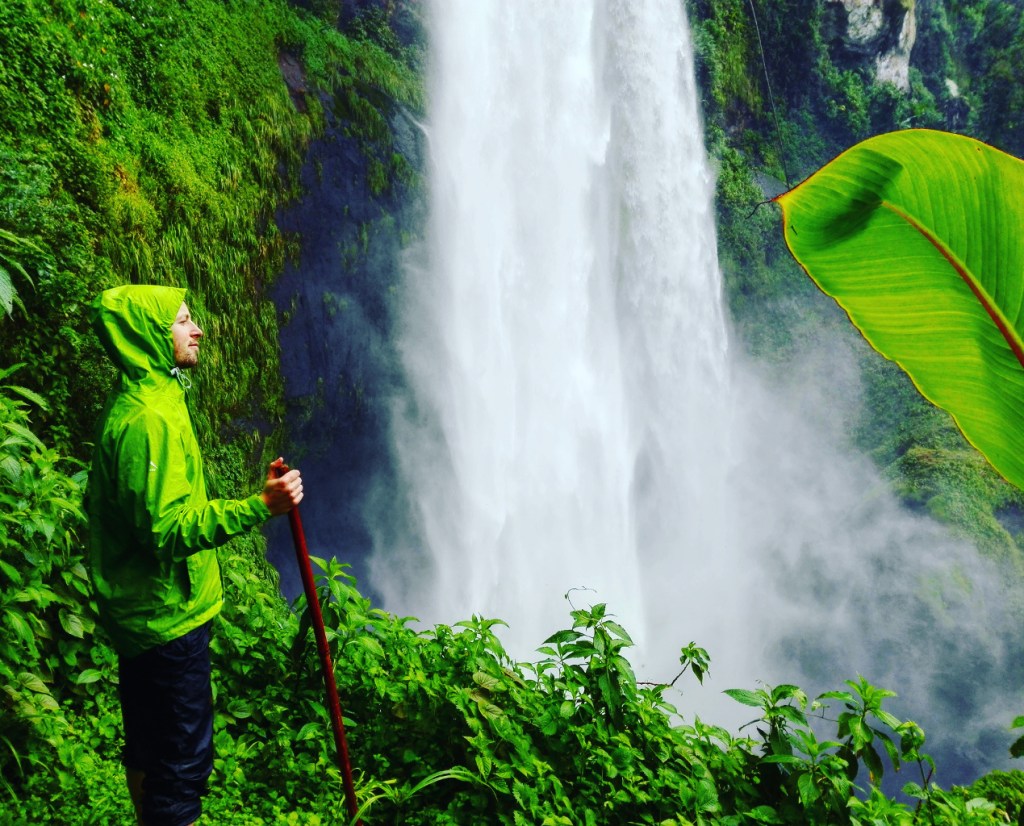
The glorious Sipi Falls.
Me, thinking about what’s for lunch.
The lush green meadows of Sipi Falls.

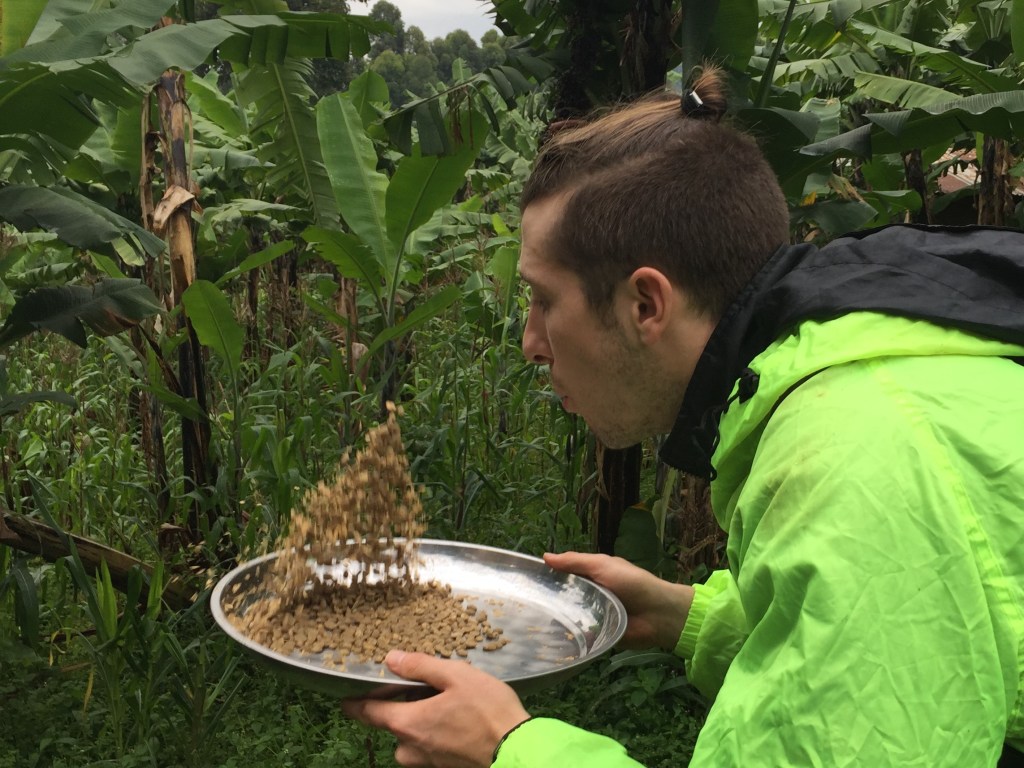
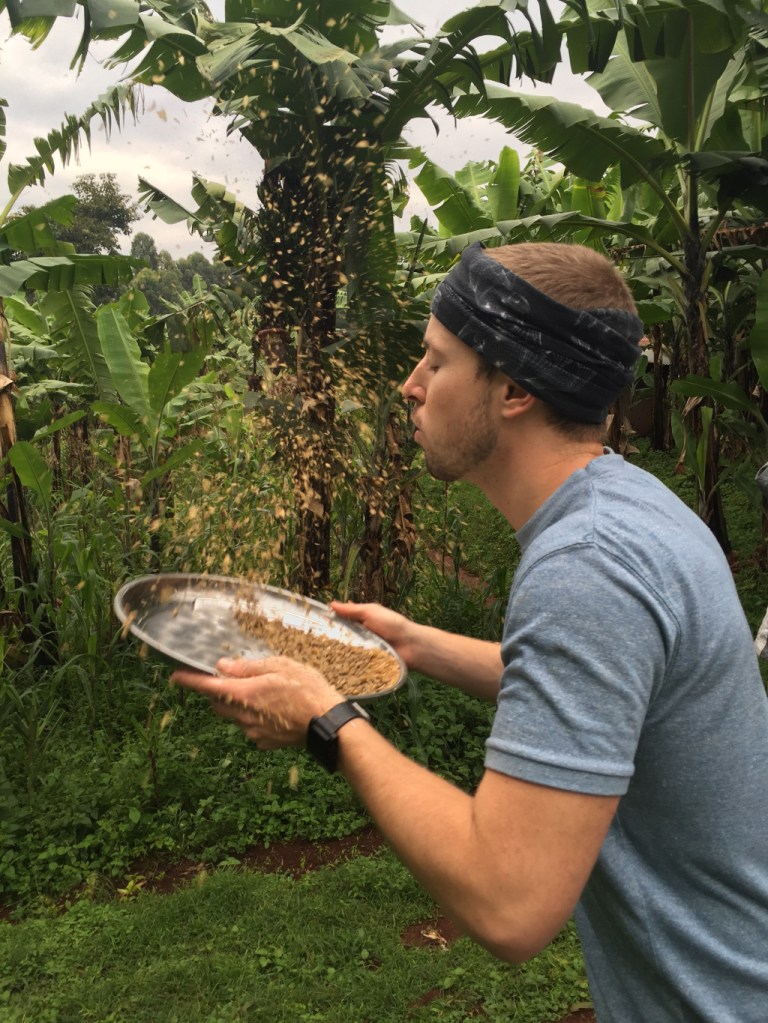
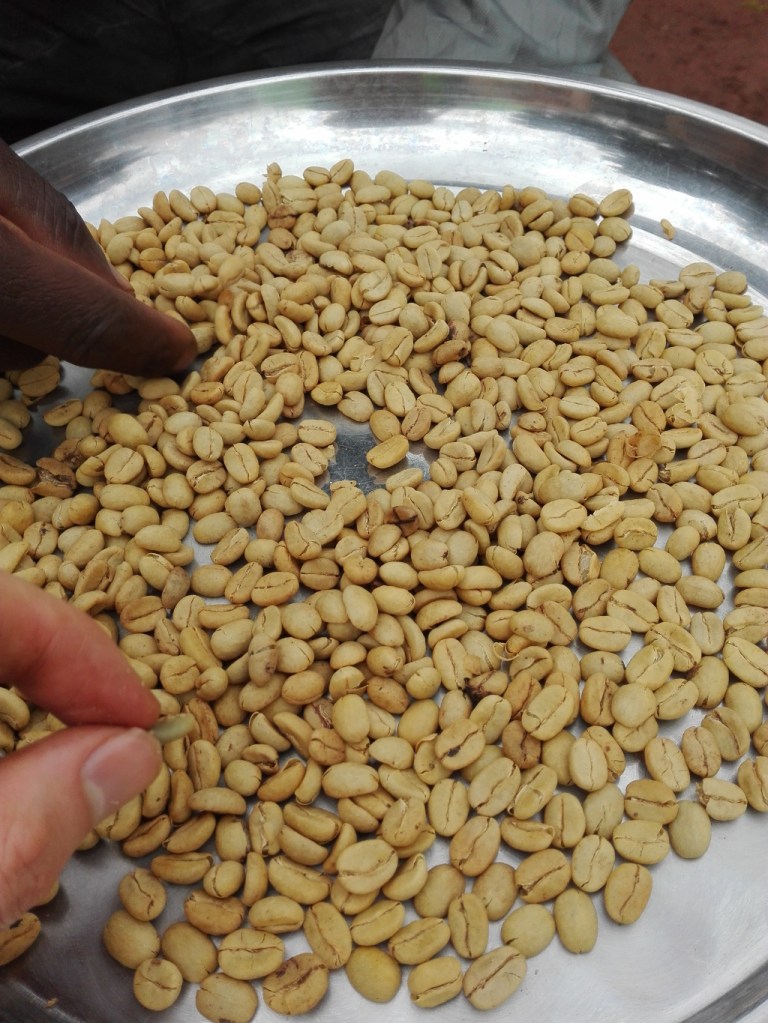
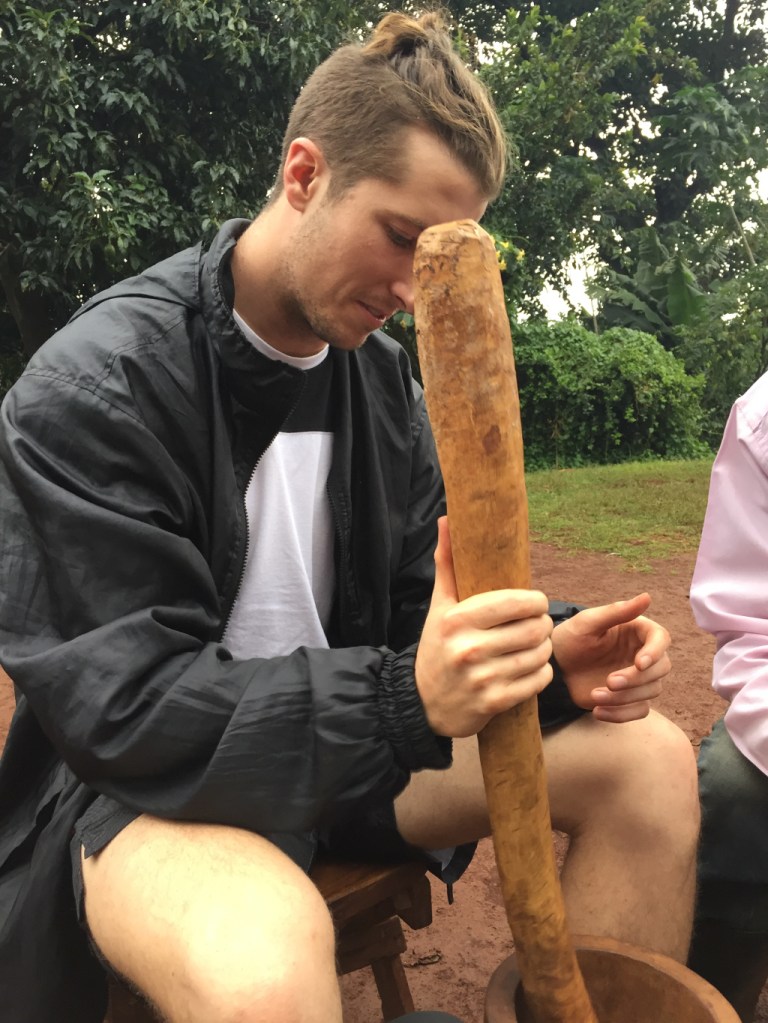
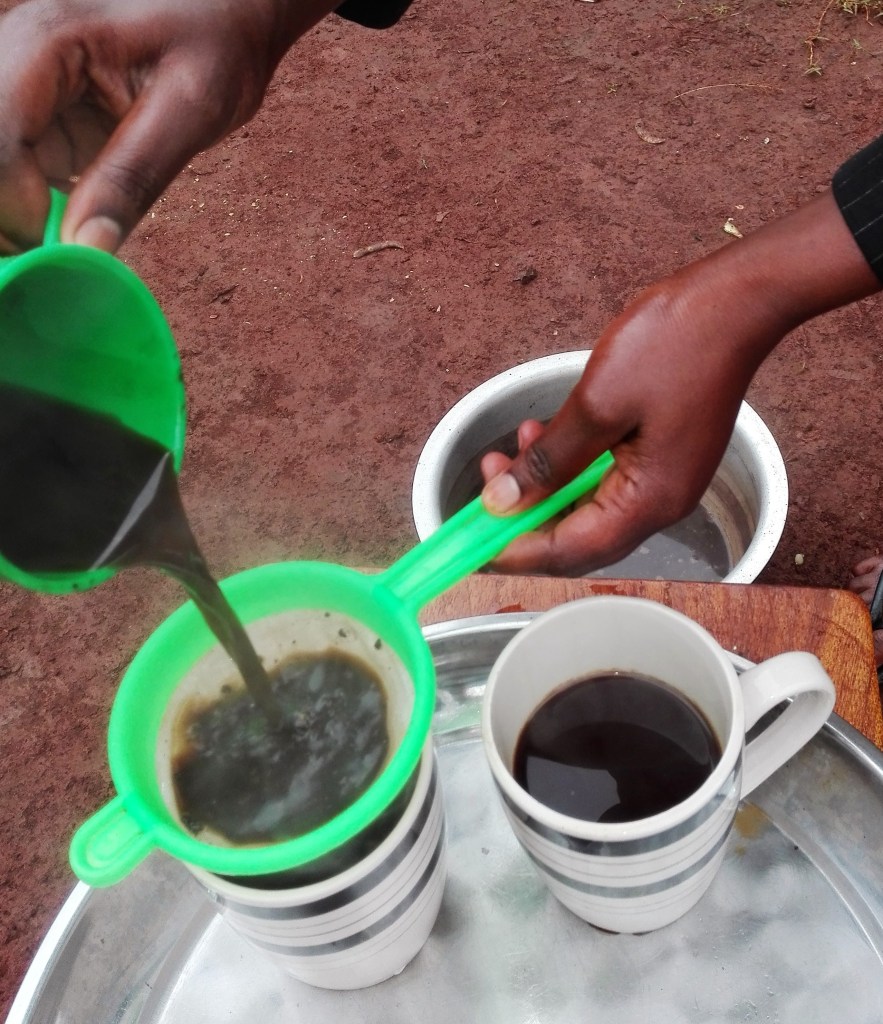
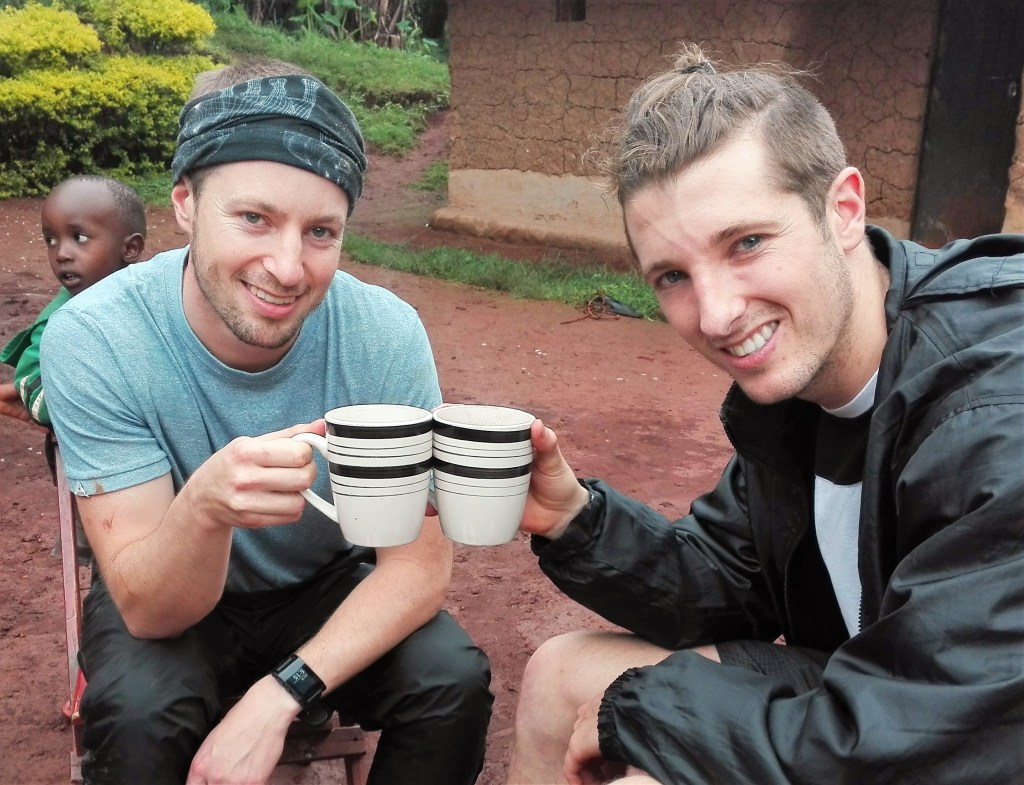
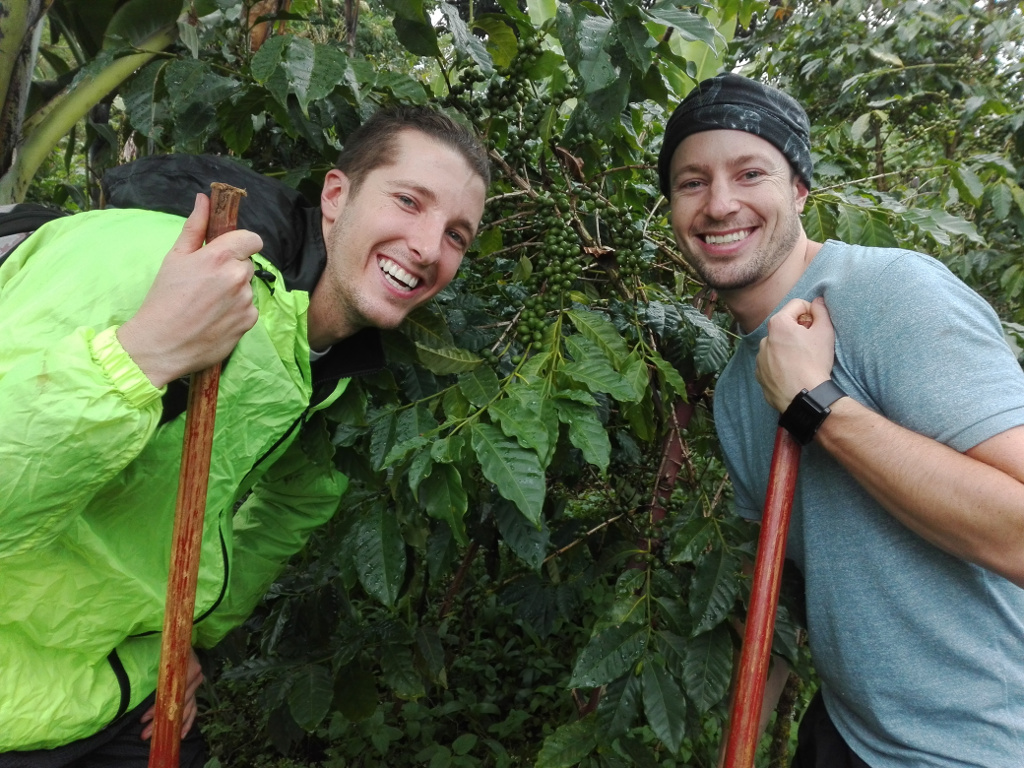
Our hike was led by the ever-knowledgeable Patrick, who also took us on a 100% local coffee tour where we were guided through every stage of the coffee making process from picking and drying the beans, to de-husking and roasting on a wood fire. Not to blow our own horn, but we are pretty damn talented coffee roasters. The locals say coffee used to be a beverage reserved for special occasions, but its increased popularity globally has made it much more accessible. The appropriately named Sipi Falls coffee is now grown and sold for export to all corners of the world.
* The East African term used to describe a Minibus Taxi.
Suiting Up

After getting passed the equator it was time to start thinking about our planned “gap” in the trip. I had agreed to join Ross with the caveat that I needed to go on a North American wedding tour in July and this seemed to correspond with Ross’s need to renew health insurance in South Africa after almost three months away. Though we had made plans to park the car at Kakira Sugar in Jinja we had not sorted out some of the final details, for example: after eleven weeks driving across Africa, did we have any remaining clothes respectable enough to wear on an airplane? Also, after re-reading one wedding invitation I realized the event was a black tie event and none of my current suits would work. It was time to make a plan.

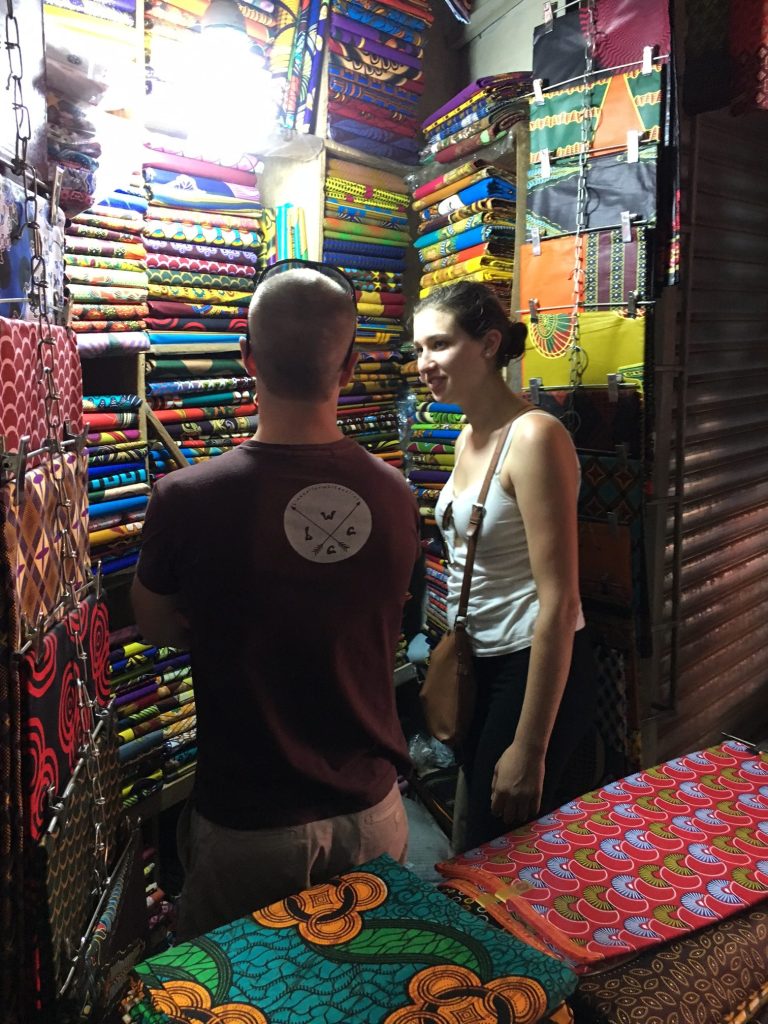
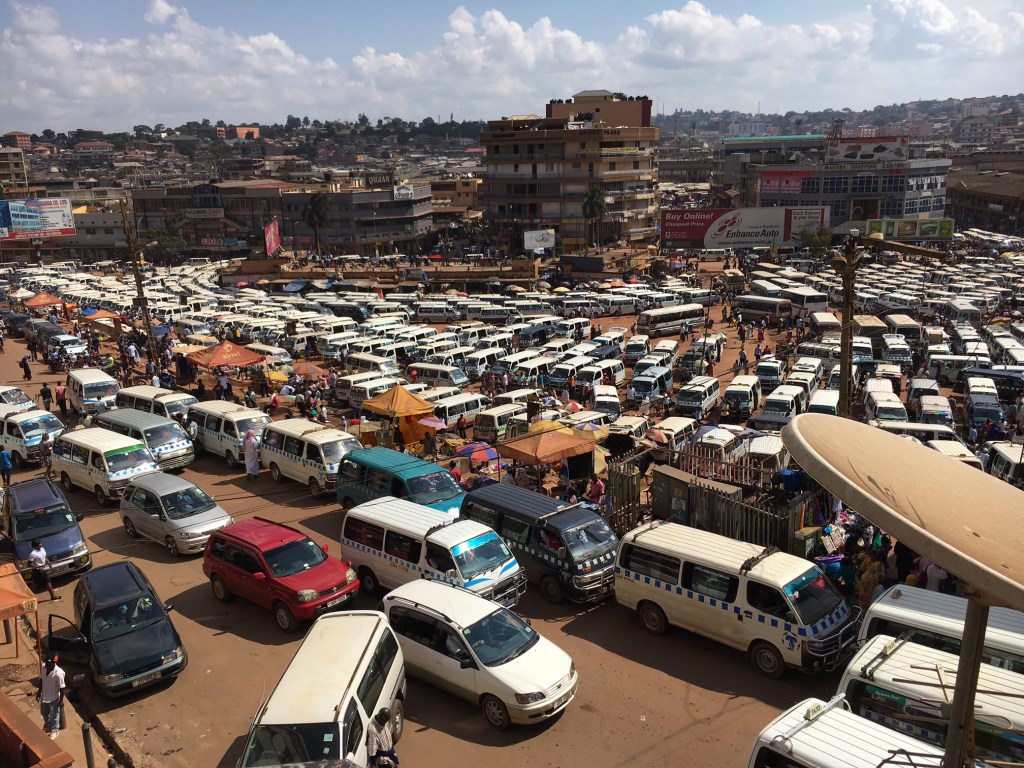
We had always had it in the back of our minds that fine bespoke tailoring of unique African fabric would be a nice souvenir from our trip. But now, with my wedding tour so formalized and Ross determined to dress to impress during a few MBA scholarship interviews, it became an imperative that we locate a fabric shop and find the finest tailor in all the land. The fabric shopping was easy enough – we only had to cross the “Great Barrier Reef Taxi Stand” without being maimed or robbed and then choose from one of the 100+ fabric shops selling a variety of homespun (read: from China) and other unique (read: wax paper clothes?) fabrics to choose from. Fortunately, we had help from our Vets Without Borders friends from Mbarara.

Carefully choosing a route to the fabric markets.
So many colors, how can we possibly choose?
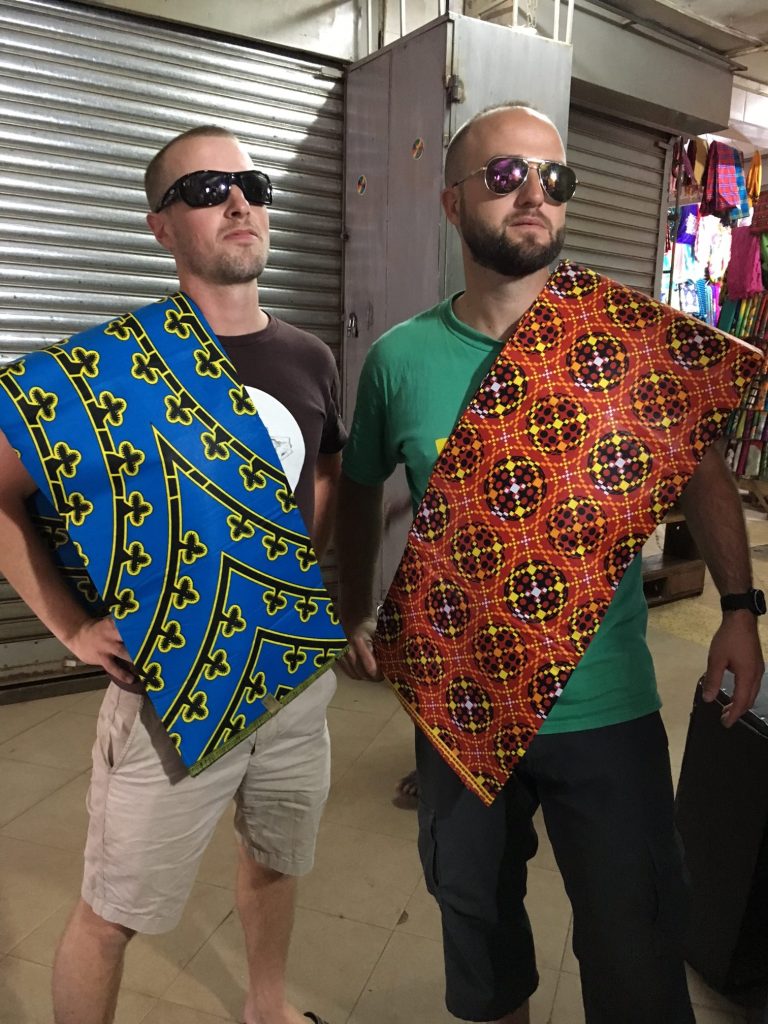
Finding something we can work with.

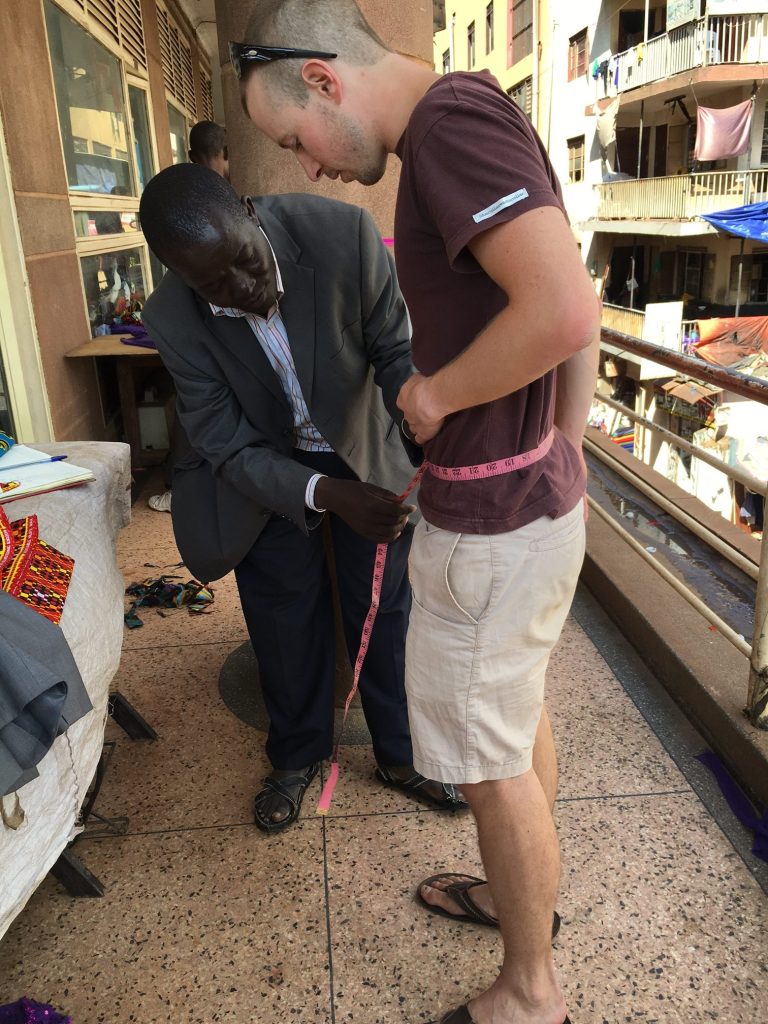
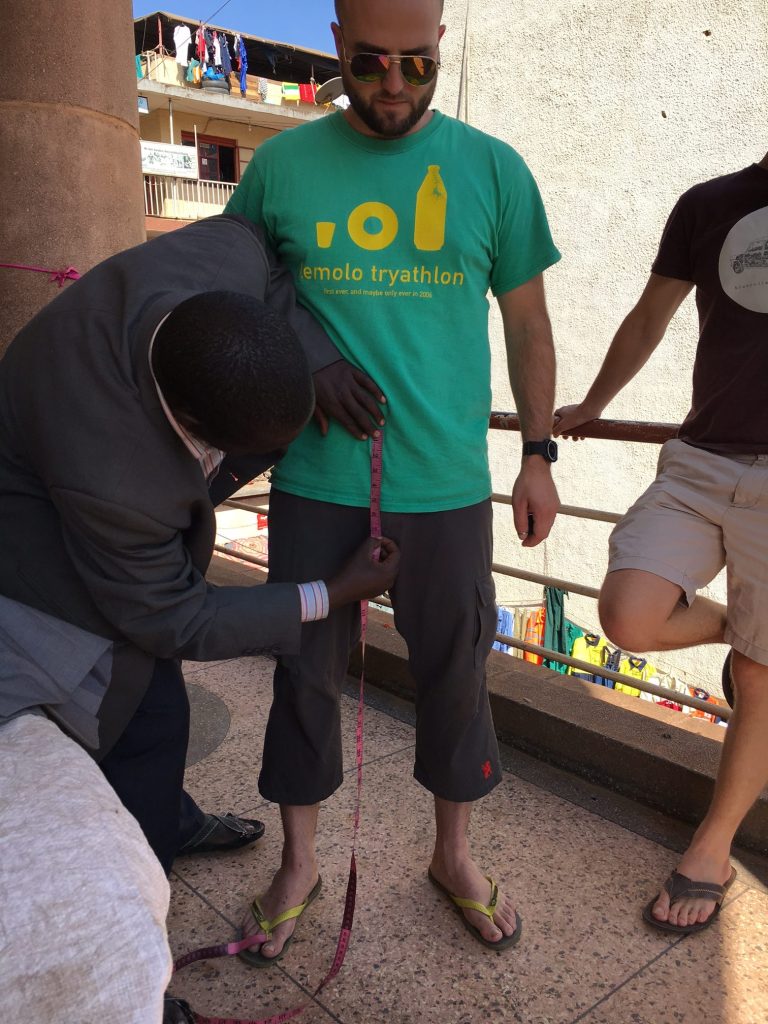
Fabrics selected, we again crossed the taxi terminal (and again made it financially whole) to initiate the process of selecting the best tailor we could find. One particular street close to the main market in Kampala seemed to be where all tailors congregate. The muddy half-paved half-pothole filled street was lined on both sidewalks with rickety tables holding precariously balanced sewing machines. Behind each machine a man worked the electric foot pedal sewing furiously to stitch together shirts, dresses, trousers, suit coats and more. Behind the tailor, ropes and wire were strung along the wall bearing hangers of finished wares. We walked the entire street talking to assorted tailors and inspecting their finished merchandise. After some discussion between Ross and I debating the finer finishing details of one such tailor, we determined that we would move forward with him to the next stage. Our chosen tailor, Mr. Mathias, was happy to then show us his actual shop which was on the top floor of an adjacent building. It seems the tailors on the street are only the front man for a business that has an entire back end structure. Before we could ask too many questions, it was time to get measured up.

Ross confirms extra slim fit style.
I confirm: left.

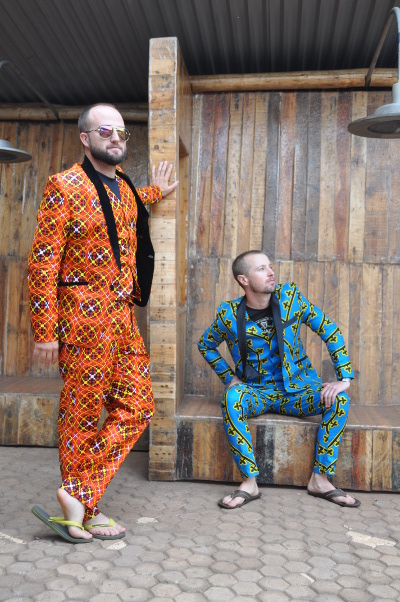
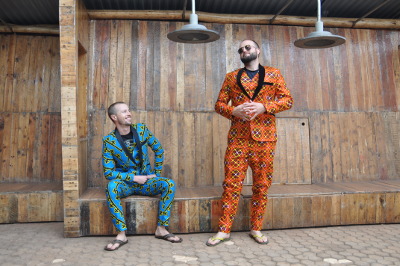
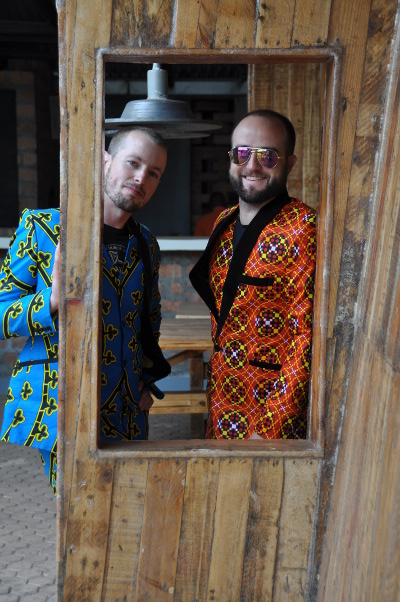
With measurements completed, we only had to finalize pricing. With no printed price list it took around ten minutes of tough negotiation in order for Mr. Mathias to agree to 90,000 UGX per suit. Considering we paid 35,000 UGX each for the fabric it was starting to add up. Neither Ross or I had owned a six figure piece of clothing before. And so we departed ways with our money and Mr. Mathias with instructions to return in one week for the finished ensembles hoping the new fashion collection would be finished prior to our planned trip break. He did not disappoint and we are happy to show a few stills from our first trip fashion show.