
Arriving at German Guest House in Khartoum was a relief because our last couple days in Ethiopia, besides the chaos of conflict, could have been characterized as a chaos of communication. Our Arabic speaking skills didn’t magically improve when we crossed into Sudan and so it was a relief to meet the German Guest House staff who spoke great English and helped answer a few basic questions. What is registration? Do we really need it? How do we pay you when we leave here? And how do we pay for anything at all? Sanctions against Sudan meant ATMs and credit cards would not work anywhere and our current cash total was US$450. This was not enough to catch the ferry into Egypt, let alone food, fuel or our current accommodation. Fortunately, three meals a day were included with the lodging (camping in Bubbles on the street outside) for $20 a night, we ate well and spent time at the pool in-between sorting out registration and fundraising brainstorming sessions.

I had learned some Arabic in Dubai, but more important I had learned about a Middle Eastern cultural financial tool called Hawala. It is in effect where a friend pays your debt to your debtor’s friend. Then each party to the initial transaction sorts out payment with their friend directly.
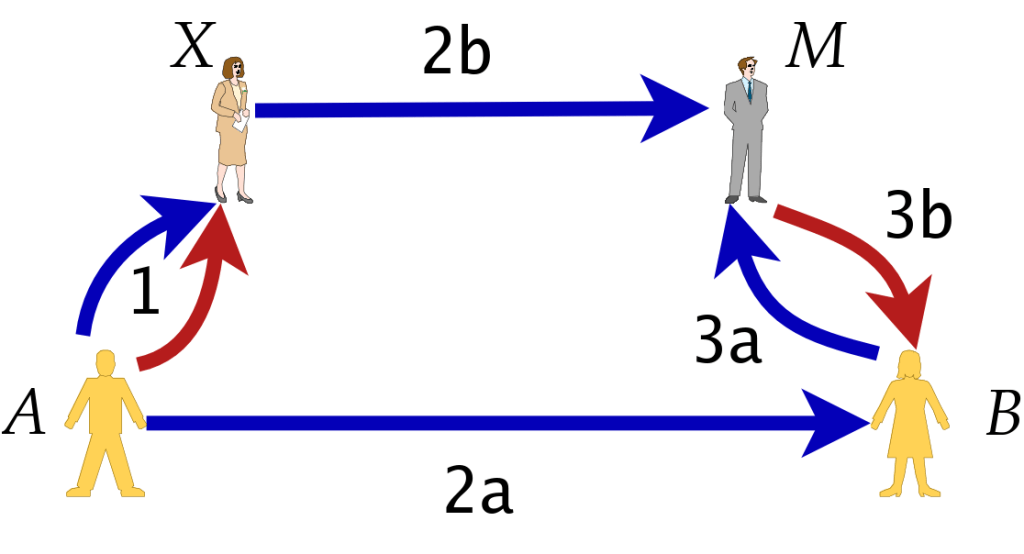
Based on trust, it has been used around the Middle East and North Africa to make payments and loans for a long time. It was also used, as discovered after 9/11, as a terrorism financing tool as well and so has fallen out of favor with most Western governments and Sudan sanction enforcing countries. So let me spare you the details of who/how/what/when/where, etc and confirm that after a few days relaxing by the pool, we felt confident enough about our cash flow to head north. Hawala what?

 Joburg to Scotland